


Understanding the Link Between Nutrition and Oral Health
In Hampstead, North Carolina, families enjoy a blend of beautiful coastal living, local farmers’ markets, and the pleasures of outdoor activities. But while we’re staying active and breathing in the salty air, it’s easy to overlook another crucial pillar of health—our diet’s impact on our teeth and gums. Nutrition is not just about maintaining a strong body; it’s also a vital piece of the bigger oral health puzzle for every member of your family.
Why Nutrition Matters for Your Mouth
What you eat not only fuels your body but also directly affects your oral ecosystem. Every bite you take can either strengthen or undermine your teeth and gums. Poor dietary habits can lead to cavities, gum disease, and even tooth loss. Conversely, a balanced diet can help your immune system fight infections, including those in your mouth.
Key Nutrients for Healthy Teeth and Gums
Let’s break down the essential nutrients for optimal oral health:
-
-
- Calcium (found in dairy, leafy greens, and almonds) strengthens tooth enamel.
- Phosphorus (in meat, fish, eggs, and nuts) helps rebuild and maintain tooth structure.
- Vitamin D (from sunlight and fortified foods) aids in calcium absorption.
- Vitamin C (in citrus, strawberries, and peppers) keeps your gums healthy and resilient.
- Fluoride (in local water and toothpaste) helps defend against cavities.
- Water keeps your mouth hydrated and helps wash away food particles.
-
The Hampstead Perspective: Local Foods and Family Habits
Life in Hampstead brings its own food culture. Grabbing fresh produce from the Hampstead farmers’ market is a weekly highlight, and local seafood is a staple on many families’ tables. Here’s how you can leverage what’s local for better oral health:
-
-
- *Eat with the seasons*: Local strawberries, blueberries, and leafy greens are perfect for teeth.
- *Enjoy fish*: Our locally caught seafood provides phosphorus and omega-3s that benefit gums.
- *Stay hydrated*: With our warm climate, water is not only refreshing but crucial for good oral health.
-
The Dark Side: Foods That Can Damage Your Teeth
While North Carolina barbecue or sweet tea are local favorites, they’re best enjoyed in moderation. Here’s why:
-
-
- Sugary beverages and snacks: These fuel bacteria, leading to cavities.
- Acidic foods and drinks: Citrus fruits and sodas can erode enamel.
- Sticky and starchy snacks: Candies, chips, and crackers stick to teeth, raising decay risk.
-
Make a habit of pairing riskier foods with water and maintaining regular dental hygiene, especially after special treats.
Building Healthy Family Routines
Family life in Hampstead often revolves around the dinner table or picnics at the beach. Building healthy habits together can protect everyone’s smiles:
-
-
- *Plan wholesome meals*: Focus on balance—include veggies, proteins, and whole grains.
- *Time treats wisely*: Limit sweets to mealtime, when extra saliva helps wash them away.
- *Regular brushing and flossing*: Reinforce these habits after snacks and before bed.
- *Visit your dentist*: Routine care scheduled around the school year keeps the whole family on track.
-
Kids and Oral Health: Starting Early
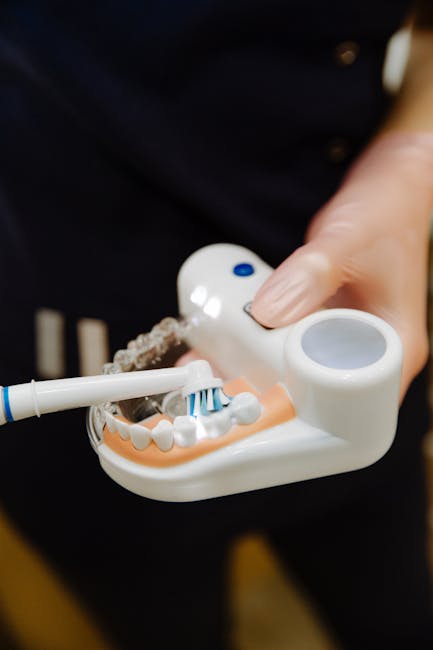
Young children are especially vulnerable to the effects of sugary foods and sodas, and baby teeth are at risk for early decay. Given Hampstead’s active outdoor culture and community events, kids are often snacking on the go. Make sure portable snacks like cheese sticks, apple slices, and carrot sticks are readily available—instead of gummy candies or granola bars high in sugar.
-
- Offer water instead of juice or soda, especially after playtime at local parks.
- Teach kids how to brush and floss with fun, interactive methods.
- Consider sealants and fluoride varnish as preventive measures.
Special Considerations for Seniors
Hampstead’s scenic retirement communities mean more older adults are focusing on oral health as well. Certain medications or health conditions common in older age can impact the mouth, such as dry mouth (which increases cavity risk). Seniors should:
-
- Stay hydrated and use mouth moisturizers if needed.
- Choose nutrient-rich, easy-to-chew foods—like fish, yogurt, and cooked vegetables.
- See their dentist regularly to monitor for gum disease or early signs of oral cancer.
Practical Tips for Hampstead Families
-
- Shop at local farm stands and markets for the freshest produce.
- Make water your family’s drink of choice.
- Pack healthy, tooth-friendly snacks for beach days—think nuts, cheese, or fresh fruit.
- Get the whole family involved in meal planning and prepping—kids are more likely to eat what they help prepare!
When to Visit Your Family Dentist
No diet is perfect, and some oral health issues develop even with the best habits. Schedule regular check-ups at least twice a year. If you notice bleeding gums, new sensitivity, or have questions about specific foods and dental care, your Hampstead dentist is your first resource.
Conclusion: Smile Brightly, Live Well
In Hampstead, nutrition goes beyond the plate—it’s about family, tradition, and community. By making tooth-friendly choices at home and out in our wonderful North Carolina town, your family can enjoy not just healthy bodies, but beautiful, resilient smiles for years to come.


